
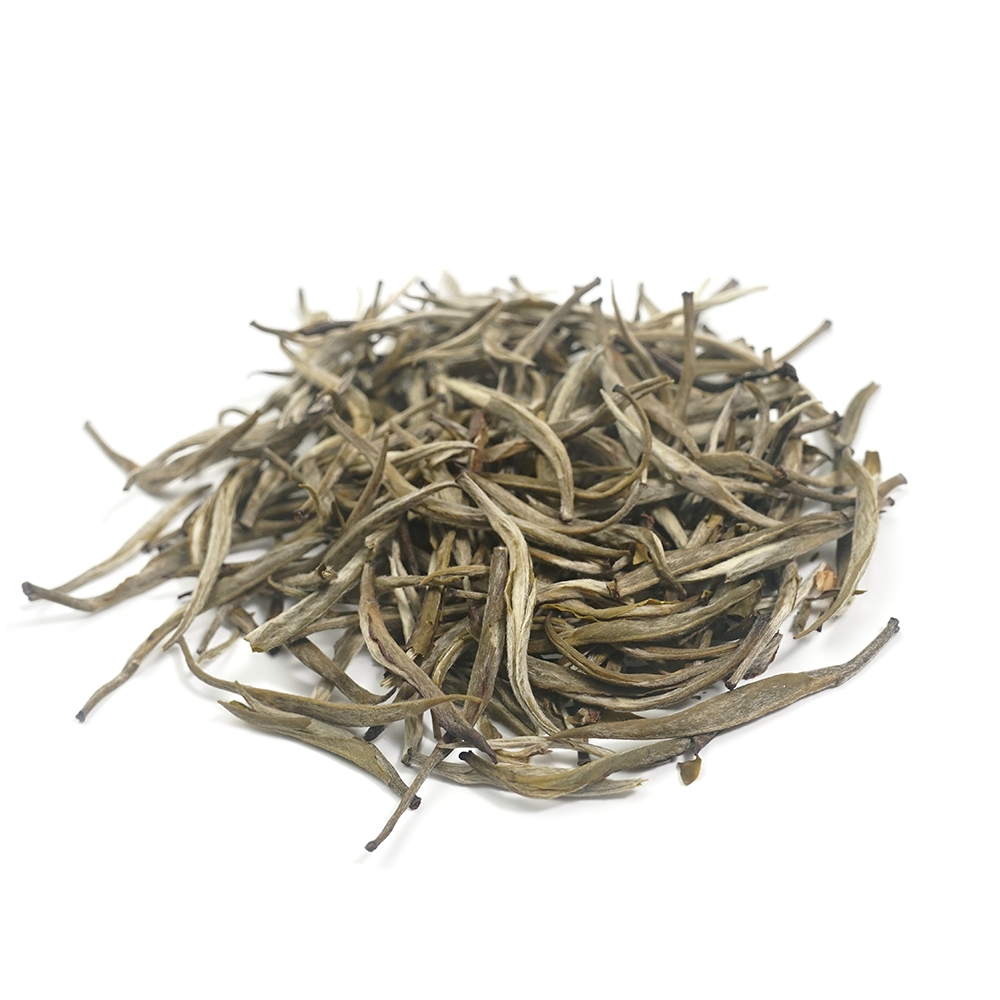


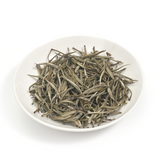
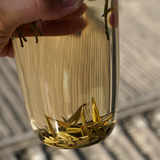


Why We Carefully Selected This Jasmine Tea
This jasmine green tea is traditionally scented through 4 rounds of jasmine scenting, allowing the floral aroma to integrate naturally into a delicate spring green tea base—fresh, sweet, and especially approachable for beginners.
✔Chosen for lasting jasmine aroma with a clean finish.
✔4-round scenting takes time—about 24h per round, 5+ days total.
✔Hand-picked single buds add real labor cost and a refined texture.
(Expand Reading: Jasmine Green Tea Benefits And A Complete Introduction )
Flavor Profile of Jasmine Green Tea
Aroma: Jasmine fragrance, tender bean aroma
Taste: Fresh, sweet, floral, with a clean lingering finish
Mouthfeel: Light-bodied, smooth, and delicate
Flavor Ratings
5 indicates the strongest intensity of that characteristic, not overall quality.
| Sweetness | 3 / 5 (5 = sweetest) |
|---|---|
| Bitterness | 2 / 5 (5 = most bitter) |
| Astringency | 1 / 5 (5 = most astringent) |
| Body / Thickness | 1 / 5 (5 = thickest body) |
| Roast Level | 0 / 5 (5 = darkest roast) |
| Brewing Ease | 5 / 5 (5 = easiest to brew) |
✔Drinkers who enjoy light, floral, sweet teas, Everyday mug brewing
✘Those who prefer bold, roasted, or strongly bitter teas
How to Brew Jasmine Green Tea
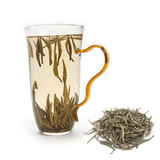
Mug Brewing
Tea-to-Water: 3 g / 300 ml (10 fl oz)
Water Temp: 85°C (185°F)
Steep Time: 2–3 min
Long steeping may cause bitterness. Adjust accordingly and drink promptly.
Gongfu Brewing
Tea-to-Water: 5 g / 120 ml (4 fl oz)
Water Temp: 85°C (185°F)
Steep Time: 4–6 sec · Increase gradually
Use a moderate amount of tea. Avoid over-steeping.
To preserve the jasmine fragrance and keep the cup clean and sweet, we recommend brewing at a lower temperature (around 85°C / 185°F) rather than using boiling water.
Jasmine Green Tea Details & Specifications
| Tea Category | Jasmine Green Tea (Scented Green Tea) |
|---|---|
| Scenting Process | 4-Round Traditional Scenting (Handcrafted) |
| Plucking Standard | Hand-picked single-bud (Grade 1) |
| Cultivar | Gui Zhou Zhen |
| Season | Spring Tea |
| Oxidation Level | Non-fermented |
| Aroma | Jasmine fragrance, tender bean aroma |
| Liquor Color | Light green |
| Mouthfeel | Light-bodied, smooth, and delicate |
| Shelf Life | 18 months |
| Caffeine | Less than 20% of a cup of coffee |
| Storage |
Store sealed, dry, away from light and strong odors.
|
| Origin | Jasmine flowers from Guangxi + green tea base from Guizhou, China |
Origin & Terroir of Jasmine Green Tea
Jasmine Flowers (Hengxian, Guangxi )
Our jasmine flowers come from Hengxian, Guangxi. To achieve a fuller, longer-lasting jasmine fragrance with a clean finish, we use 4-round scenting. Each round takes about 24 hours, with the full process taking 5+ days, allowing the floral aroma to integrate more naturally into the tea leaves.
Green Tea Base (Zunyi, Guizhou)
The tea base is sourced from green tea from Zunyi, Guizhou, and is primarily hand-picked, which increases labor cost but helps preserve leaf integrity and a more refined texture. We select a base with high whole-leaf integrity, giving the tea a fresh, clean liquor with lower bitterness and a clearer sweet aftertaste. It supports the jasmine aroma while keeping a distinct tea character.
Our Sourcing Method
We don’t rely on one fixed tea farmer or one family farm long-term, because even the same tea garden can vary from year to year due to weather, flowering conditions, picking timing, and processing details. Instead of depending on a single source, we place more value on a systematic selection process.

Each year, we collect tea samples and raw materials from multiple sources for repeated testing, screening, and tasting. After internal evaluation and market testing in China, we select the raw materials with more stable quality and a better aroma–taste balance, so every tea we offer is a carefully selected Chinese tea.
History of Jasmine Green Tea
Jasmine has long been an important flower in Buddhist culture. Many sources mention jasmine motifs in Indian Buddhist art and jasmine garland offerings in places like Thailand and the Philippines. In Fuzhou historical accounts, jasmine cultivation in the area dates back to the Western Han period, laying an early foundation for Jasmine Tea.
Fuzhou, Fujian is one of the most important historic regions for Chinese Jasmine Tea. Fuzhou Jasmine Tea developed from local jasmine flowers and Fujian tea leaves, first as a gift tea among scholars, and later became more influential in the Qing Dynasty. Fuzhou is also known for traditional jasmine tea scenting (a green tea base repeatedly scented with fresh jasmine flowers).
Today, Hengzhou, Guangxi (formerly Hengxian) is one of the world’s main production centers for jasmine flowers and jasmine tea (often cited as over 80% of China’s output and over 60% of global output). Hengzhou is now the main production region, while Fuzhou remains a key historic region for traditional craft Fuzhou Jasmine Tea. Widely served as a Chinese restaurant tea, jasmine flower tea is one of the most familiar and popular teas for everyday drinking.
Jasmine Flower Tea FAQs
Q1. What does jasmine green tea taste like?
The flavor is fresh and floral, with a gentle sweetness, making it approachable for new tea drinkers.
Q2. How should I brew jasmine green tea?
For mug brewing, use 3g of tea per 300ml of water at 85°C for 2-3 minutes. For Gongfu brewing, use 5g per 120ml for 4-6 seconds.
Q3. Can I brew jasmine tea without special equipment?
Yes, this tea can be brewed in a regular mug, making it convenient for everyday enjoyment.
Q4. Does jasmine tea contain caffeine?
Yes, it contains less than 20% of the caffeine found in a cup of coffee.
Q5. Does water quality affect this jasmine tea?
Yes. Clean, low-odor filtered water helps preserve its fresh floral aroma. See our best water for tea guide.
Q6. How should I store jasmine tea?
Store in a cool, dry, and dark place to maintain its freshness and aroma.

- Choosing a selection results in a full page refresh.